Career & Work
Design Your Life Like a Side Project
Design your life like a side project: stop theorizing, run small prototypes, talk to people doing the work, and collect real evidence.
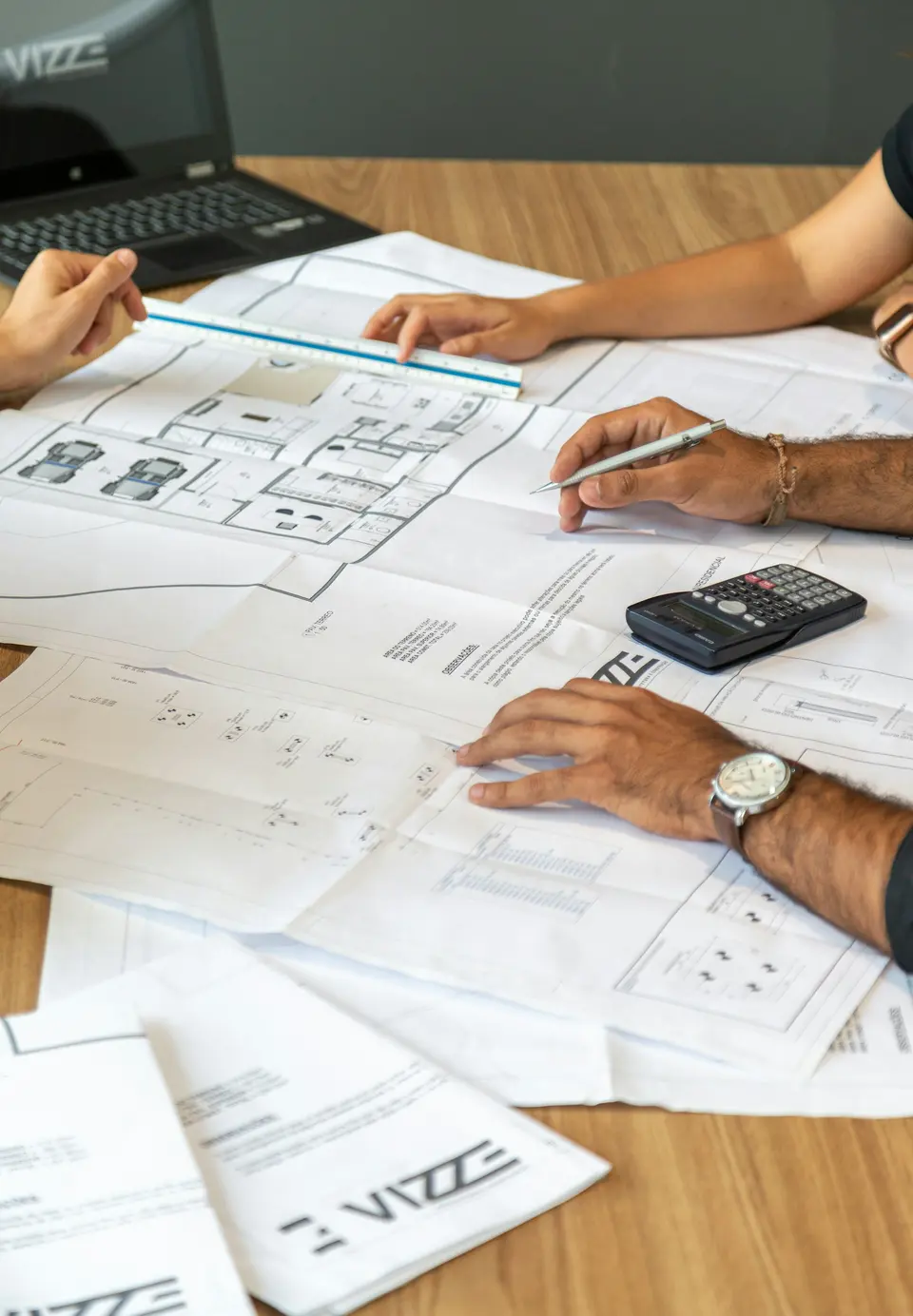
Design your life like a side project.
Not like a sacred quest.
Not like a five-year corporate deck.
Like a side project.
Small test.
Low cost.
Real contact with reality.
Bill Burnett’s Designing Your Life is useful because it says the thing career planning keeps avoiding:
You cannot think your way into a life you have not tested.
You have to prototype.
Stop trying to find the answer
The “find your passion” search is a trap with nice stationery.
It assumes there is one correct answer hiding inside you.
So you journal.
Take assessments.
Read more books.
Ask people what they think you would be good at.
And then do nothing.
Very introspective.
Still stuck.
The move: Replace “what is my calling?” with:
What can I test this month?
That question is less romantic.
Good.
Romance is not data.
Pick three directions
Do not pick one forever-direction.
Too much pressure.
Pick three possible directions.
Examples:
- Freelance writing
- Product consulting
- UX research
- Coaching
- Building a small tool
- Switching industries
- Teaching online
- Running workshops
Now write one sentence for each:
I want to test whether I like _____ enough to do more of it.
Notice the wording.
Not marry it.
Not build a brand around it.
Test it.
Run the five-hour test
This is the simplest useful prototype.
The move: Spend five hours doing the actual work of one direction.
Not researching it.
Not branding it.
Not watching people talk about it.
Doing it.
If the direction is writing:
Write, edit, and publish one real piece.
If the direction is consulting:
Analyze one real business and write recommendations.
If the direction is design:
Redesign one actual page and explain your choices.
If the direction is teaching:
Create and deliver one tiny lesson to one person.
Five hours is long enough for the shiny feeling to wear off.
Short enough that failure is cheap.
Afterward, ask:
Did time disappear, or did I count the minutes?
That is not the whole answer.
It is data.
And data beats another month of thinking.
Talk to three Tuesday people
Do not talk to gurus.
Do not talk to the person selling the dream version.
Talk to people doing the work on a normal Tuesday.
Ask:
- What did you actually do yesterday?
- What part gets annoying?
- What surprised you after year one?
- What do beginners misunderstand?
- What would make this path a bad fit?
You are not asking for motivation.
You are inspecting the texture of the work.
The Tuesday version is the truth.
If you do not know anyone in the field, use the introvert’s networking playbook and keep the ask small.
Build evidence, not identity
People make career testing too dramatic.
One bad prototype does not mean:
I am not meant for this.
It means:
That test gave you information.
Maybe the work was wrong.
Maybe the format was wrong.
Maybe the audience was wrong.
Maybe the timing was wrong.
Maybe you tested the glamorous version and hated the real work.
Good to know.
The move: Keep an evidence log.
After each prototype, write:
- What I tested
- What felt energizing
- What felt draining
- What I learned
- What I would test next
No essay.
Five bullets.
If your side projects keep dying before they teach you anything, why side projects die is the warning label.
Run prototypes, not fake businesses
Do not accidentally build a whole company just to answer one question.
That is how people buy domains, make logos, build websites, and still have no evidence.
A prototype answers one question.
Examples:
- Will I enjoy this work?
- Will anyone pay?
- Can I do it weekly?
- Do I like the customer?
- Does this fit my energy?
- Can I explain the offer clearly?
One question.
One test.
Do not test everything at once.
That creates fog and calls itself ambition.
The two-month experiment
For eight weeks:
- Pick three directions.
- Run one five-hour test per week.
- Talk to one Tuesday person per week.
- Keep the evidence log.
- Kill or continue directions based on evidence.
By the end, you will know more than you knew after years of thinking.
Not everything.
More.
Enough to make a better next move.
For the bigger life-design layer, build the life you want when you do not have a roadmap is the companion piece.
The verdict
Design your life like a side project because side projects are allowed to be ugly, small, and informative.
Your life tests should be the same.
Stop waiting for clarity.
Run the five-hour test.
Talk to the Tuesday people.
Write the evidence down.
Then run the next test.
The life you want is not hiding behind one perfect decision.
It is hiding behind a pile of small tests you have been avoiding.
Advertisement