Productivity
Hari Is Right About Focus - Most People Are Quoting Him Wrong
Stolen Focus is not just a phone-shaming book. Hari's stronger point is that attention is being attacked from more than one direction.
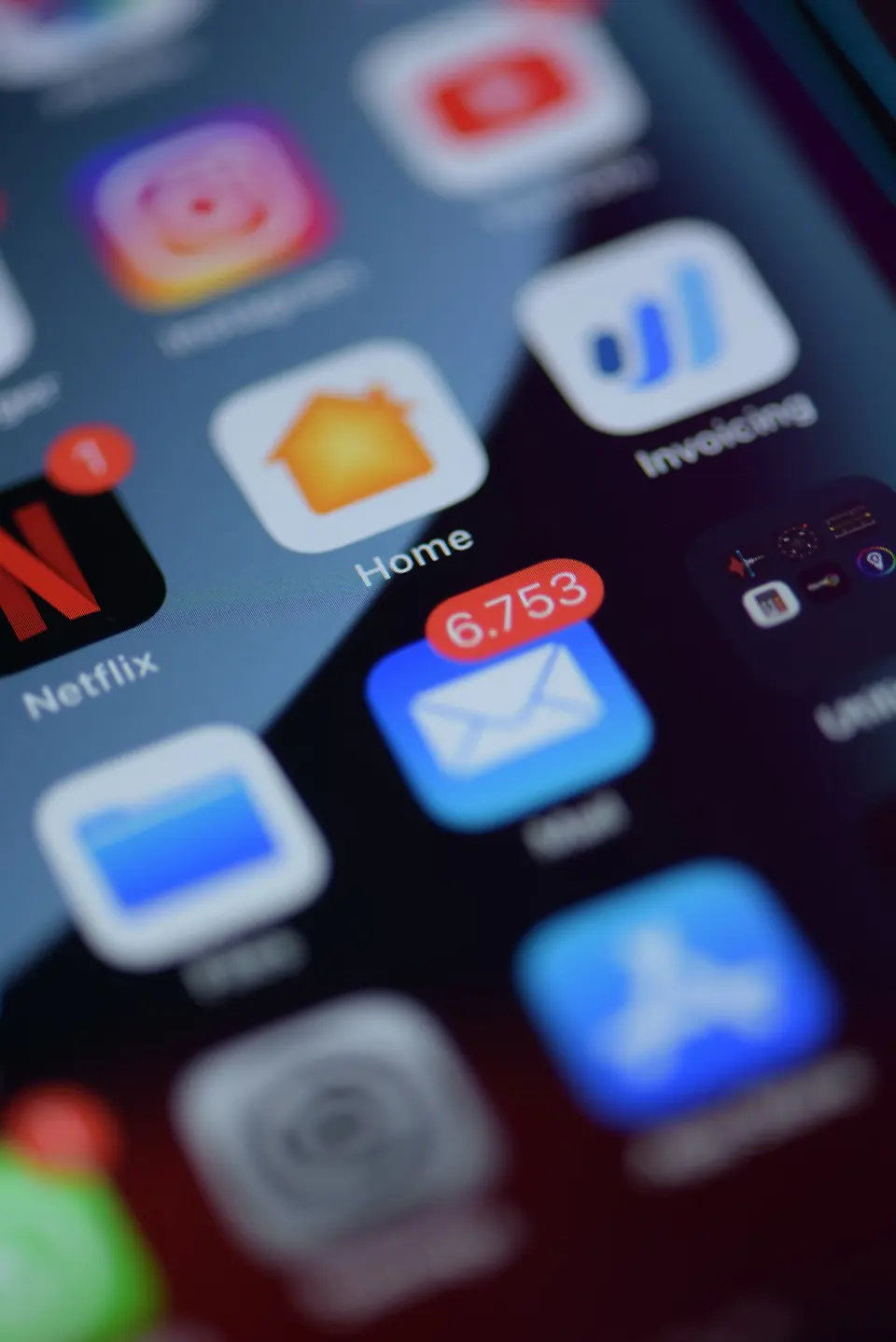
Johann Hari’s Stolen Focus keeps getting flattened into the most boring possible advice:
Put your phone away.
That advice is not wrong.
It is just too small.
Hari’s stronger point is not “you personally lack discipline.”
It is:
Your attention is being attacked from several directions at once, and phone use is only one of them.
That difference matters.
Because if the diagnosis is “you are weak,” the solution is shame.
If the diagnosis is “your environment is engineered badly,” the solution becomes design, boundaries, and sometimes politics.
Less tidy.
More honest.
What everyone remembers
People remember the phone story.
Hari goes away, cuts off his smartphone, and gets some attention back.
That is the easy summary.
It is also the summary that lets everyone sell the same old productivity advice with a new book cover:
- delete apps
- use grayscale
- block websites
- put the phone in another room
- become a better little focus machine
Fine.
Do some of that.
I am not defending your 2 a.m. scroll habit like it is a civil right.
But Hari’s opening experiment is not the full argument. It is the doorway.
The book spends far more energy on the conditions around attention.
What the book is really saying
Stolen Focus points at a pile-up.
Not one cause.
A pile-up.
Hari talks about things like:
- business models that profit from distraction
- sleep loss
- stress
- diet
- pollution
- childhood over-scheduling
- loss of mind-wandering
- the collapse of deep reading
- work environments that shred attention
You can debate the strength of individual claims.
You should.
The book is not perfect, and some chapters are more persuasive than others.
But the bigger frame is useful:
Attention is not only a personal habit. It is also an environmental outcome.
That is the part people skip because it is harder to turn into a five-step morning routine.
The phone is real, but it is not the whole trial
Your phone matters.
Of course it does.
A device full of apps designed to interrupt you will, with shocking creativity, interrupt you.
But if you sleep five hours, eat like a deadline, work inside permanent urgency, sit under notification hail, and carry money stress all day, putting the phone in another room will not make you a monk.
It will make you a tired person without a nearby phone.
Better than nothing.
Not a cure.
This is where productivity content often lies by omission.
It sells the individual fix because the individual fix is marketable.
The structural fix is messy.
The real answer is both.
Personal focus hygiene plus environmental repair.
What to actually do with Hari’s argument
1. Fix the obvious personal leaks
Do not use “systems are broken” as an excuse to keep every bad habit.
That is just defeatism in a clever jacket.
Start here:
- phone out of reach during deep work
- notifications off by default
- one task visible
- fewer open tabs
- real sleep window
- hard stop for work blocks
- no social feeds before serious thinking
This is not the whole solution.
It is the part you can do today.
For the mechanics, use the focus system for productivity. That is the practical layer.
2. Stop calling every attention problem a discipline problem
If you cannot focus after six hours of meetings, you do not have a character defect.
You have a fried attention system.
If your client expects instant replies all day, your focus problem is partly a boundary problem.
If your sleep is broken, your focus problem is partly a recovery problem.
If your workday is chopped into sixteen fragments, your focus problem is partly a calendar problem.
Name the right problem.
Wrong names create useless fixes.
3. Build friction against the business model
Your attention is profitable.
That sounds dramatic until you look at the apps.
The feed wants another minute.
The notification wants a glance.
The platform wants the habit.
So add friction:
- remove apps from the phone
- log out after use
- block feeds during work hours
- keep social tools off the home screen
- use separate devices or browsers when possible
- batch messages instead of grazing all day
This is not moral purity.
It is refusing to bring a slot machine to your desk and then blaming yourself for noticing it.
If your environment is the bigger issue, tools for staying focused in a notification hellscape is a useful companion.
4. Defend mind-wandering
This is the underrated part.
Focus is not only about staring harder at the task.
You also need unfocused time where your brain can connect things without being spoon-fed another input.
Walk without audio sometimes.
Shower without a podcast.
Wait in line without checking.
Let boredom do a little unpaid work.
The brain needs idle space.
The internet hates idle space because idle space is hard to monetize.
That should tell you something.
The better summary
Bad summary:
Hari says put your phone away.
Better summary:
Hari says your attention is being shaped by systems, incentives, habits, sleep, stress, food, work design, and technology. Your phone matters, but blaming only the phone lets the rest of the machine keep running.
That is less shareable.
It is also the point.
The line to keep
Fight for your focus on two fronts.
Front one: your own habits.
Do the boring hygiene.
Move the phone.
Block the feed.
Sleep like focus depends on it because it does.
Front two: your environment.
Set response expectations.
Reject fake urgency.
Design work blocks.
Protect reading.
Notice when a tool is not helping you but harvesting you.
Hari is right about focus when you read him at full size.
He is much less useful when you shrink him into phone guilt.
Do not shrink the problem just because the smaller version fits in a tweet.
Advertisement