Content & Creativity
What Nobody Tells You About Going Viral
Going viral looks like success from the outside. Up close, it is usually noise, weak intent, and a very confused strategy hangover.
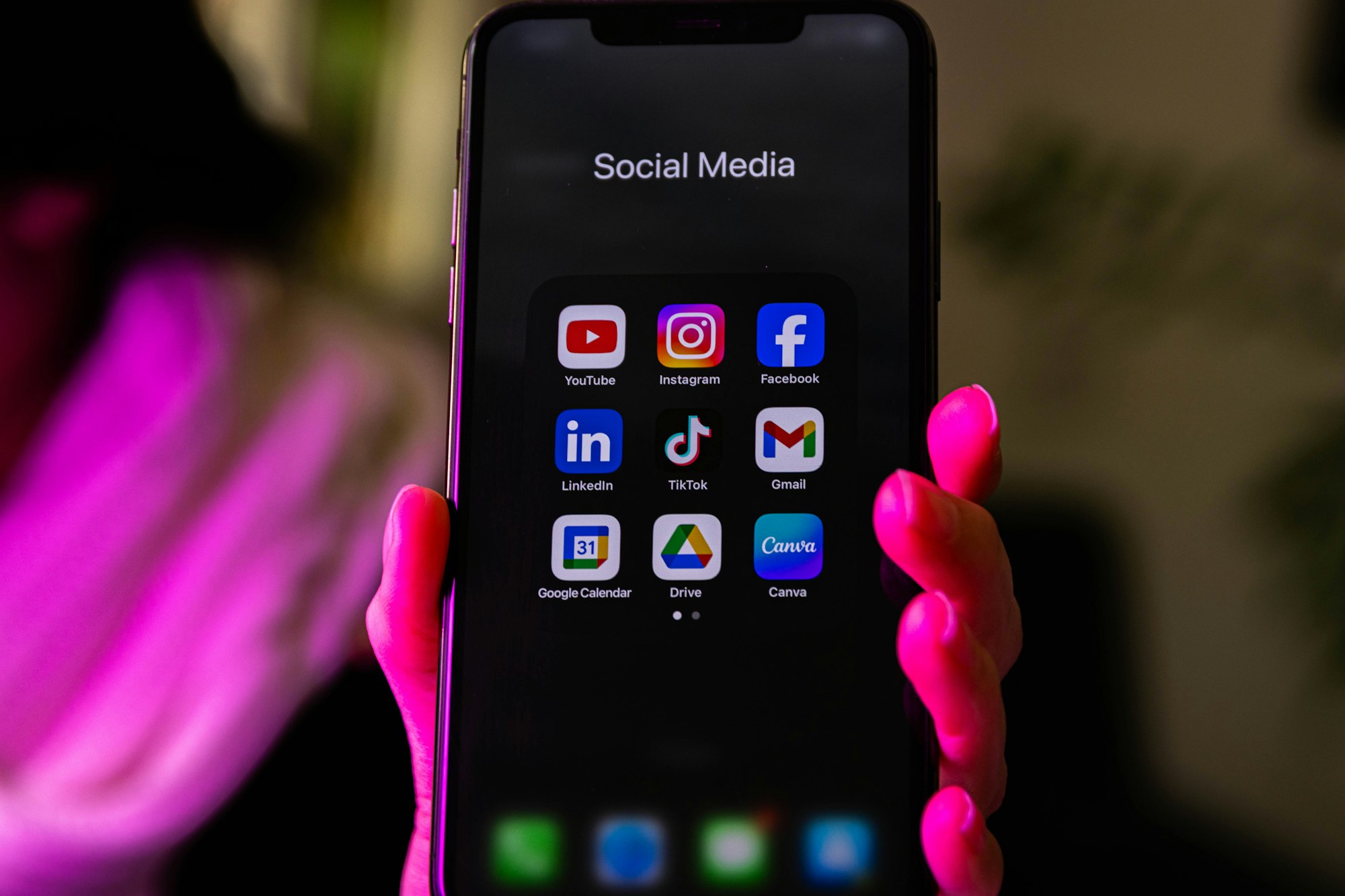
Going viral is the internet’s favorite fake finish line.
One post blows up.
Notifications flood in.
Strangers arrive.
The graph goes vertical.
For a day, it feels like the door finally opened.
Then most of those people leave.
The post stops moving.
The algorithm gets bored.
And you are left staring at a larger audience that may not care about the thing you actually do.
That is the part nobody puts in the screenshot.
Viral traffic is not the same as useful attention
A viral spike brings volume.
It does not automatically bring intent.
Most people who see the viral thing did not come looking for you. They came because the internet shoved you into their path for a second.
That can be fun.
It can also be useless.
Useful attention has a different shape:
- people understand what you do
- they want the next thing
- they come back without being dragged
- they trust you a little more after every touch
- they fit the audience or customer you are actually building for
Viral attention often says:
That was funny. Anyway.
Do not build a strategy around “anyway.”
The spike teaches bad lessons
The worst part about going viral is not the crash.
It is the false lesson.
You start asking:
- Was it the hook?
- Was it the topic?
- Was it the timing?
- Was it the format?
- Should I become the person who makes this exact thing forever?
Maybe.
Or maybe the platform had a weird day.
Maybe the mood of the internet lined up with your post for six hours.
Maybe people shared it for reasons that have nothing to do with your actual work.
That is not a system.
That is weather.
Treat it like weather.
Notice it. Learn what you can. Do not move your whole house.
Viral can expose a weak base
Here is the painful version.
Sometimes going viral reveals that your house is not ready for visitors.
People click through and find:
- no clear bio
- no useful next step
- no email list
- no offer
- no proof
- no archive worth exploring
- no reason to remember you
That is not “wasted reach.”
That is a setup problem.
Before you chase attention, make sure there is somewhere for attention to land.
If your base is shaky, build an online presence without social media before you try to win the feed lottery again.
Followers are not the prize
Going viral can add followers.
Some will be useful.
Many will be tourists.
Tourists are not bad people. They just are not your people.
They came for the one thing that traveled.
They may not care about your regular work.
That creates a weird pressure:
You start making more of the viral thing to satisfy people who were never your actual audience.
Now your content is being steered by the least committed visitors.
Excellent. Very normal internet trap.
The move: After a spike, ask who stayed for the right reason.
Not who followed.
Who clicked deeper?
Who replied thoughtfully?
Who joined the email list?
Who asked about the work you actually do?
Those are the signals.
Sustainable growth is quieter
Sustainable growth is usually boring in public.
It looks like:
- publishing useful work consistently
- helping a specific kind of person
- being clear about what you do
- building proof
- capturing email
- improving offers
- getting referred
- saying the same important thing in better ways
Not glamorous.
Not screenshot-friendly.
Better.
If your content is not growing because it has no clear promise, read the real reason your content is not growing. It is a more useful problem than “how do I go viral?”
If you do go viral, do this
Do not panic-post thirty follow-ups.
Do not immediately change your whole niche.
Do not buy a course from someone who appears in your replies promising to “scale the moment.”
Do this:
- Pin or link your best next step.
- Make your bio painfully clear.
- Add an email signup or useful free resource.
- Reply to the people who are actually thoughtful.
- Save the post and study it later when your brain is less sparkly.
Then return to the real work.
The viral post is a doorbell.
It is not the house.
The better goal
Do not ask, “How do I go viral?”
Ask:
- What do I want to be known for?
- Who am I actually trying to help?
- What should people do after they find me?
- What proof would make them trust me?
- What would make them come back next month?
Those questions are less exciting.
They are also how you build something that lasts.
Going viral can be nice.
Take the spike if it comes.
Enjoy the noise for a day.
Then get back to building the thing that still works when the graph is boring.
If you are wondering whether creating is even the right road, why everyone wants to be a creator and why most should not is the harder conversation.