
How to Remember What You Learn (Not Just Hoard It)
You read the book and forgot it by Tuesday. Here's how to remember what you learn using active recall and spacing, minus the cramming.
Tag
A focused shelf of PickyFox posts on learning.
You read the book and forgot it by Tuesday. Here's how to remember what you learn using active recall and spacing, minus the cramming.

The 10,000-hour rule is mostly a myth. Here's the stripped-down version of deliberate practice a busy adult can actually run.

Skill stacking for a career that lasts is not collecting random abilities. It is pairing useful skills until your work becomes harder to copy.

How to actually read a book using Mortimer Adler's four levels, without turning reading into homework with nicer stationery.

Wyner's language method works outside language learning because it forces the two things courses avoid: personal mistakes and spaced repetition.

Carl Sagan wrote a critical-thinking checklist in 1995 that holds up better than 90% of media literacy content written this decade. Here are the nine questions, updated for AI content and productivity grifts.

Using AI to learn new skills works when it drills you. It fails when it performs the skill while you watch.

A reading system helps you stop reading into the void and start keeping the ideas that actually matter.

Compare three perspectives on education without treating school and independent learning as opposites. Keep evidence, access, and qualifications in view.
You can become a better writer in 30 days if you stop trying to sound smart and start doing useful reps.
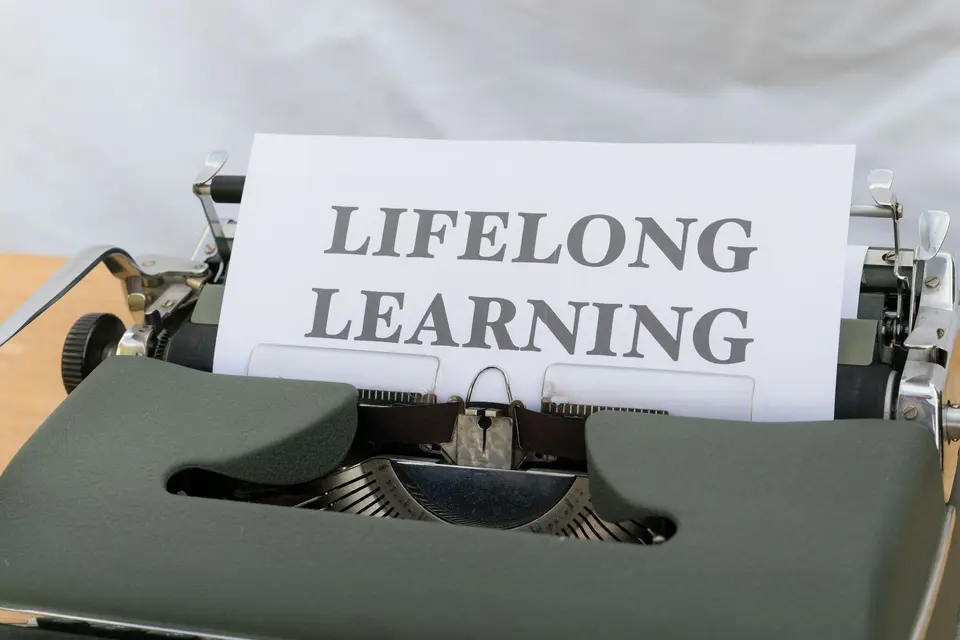
Some skills pay you back fast because they improve every pitch, project, and negotiation you touch. Start with these three.

Learning a language as a busy adult works when you stop pretending you have two free hours a day.