Health & Wellness
The Sleep Routine That Fixed My Productivity
I tried every productivity hack before realizing the real fix wasn't on my to-do list. It was in my bed.
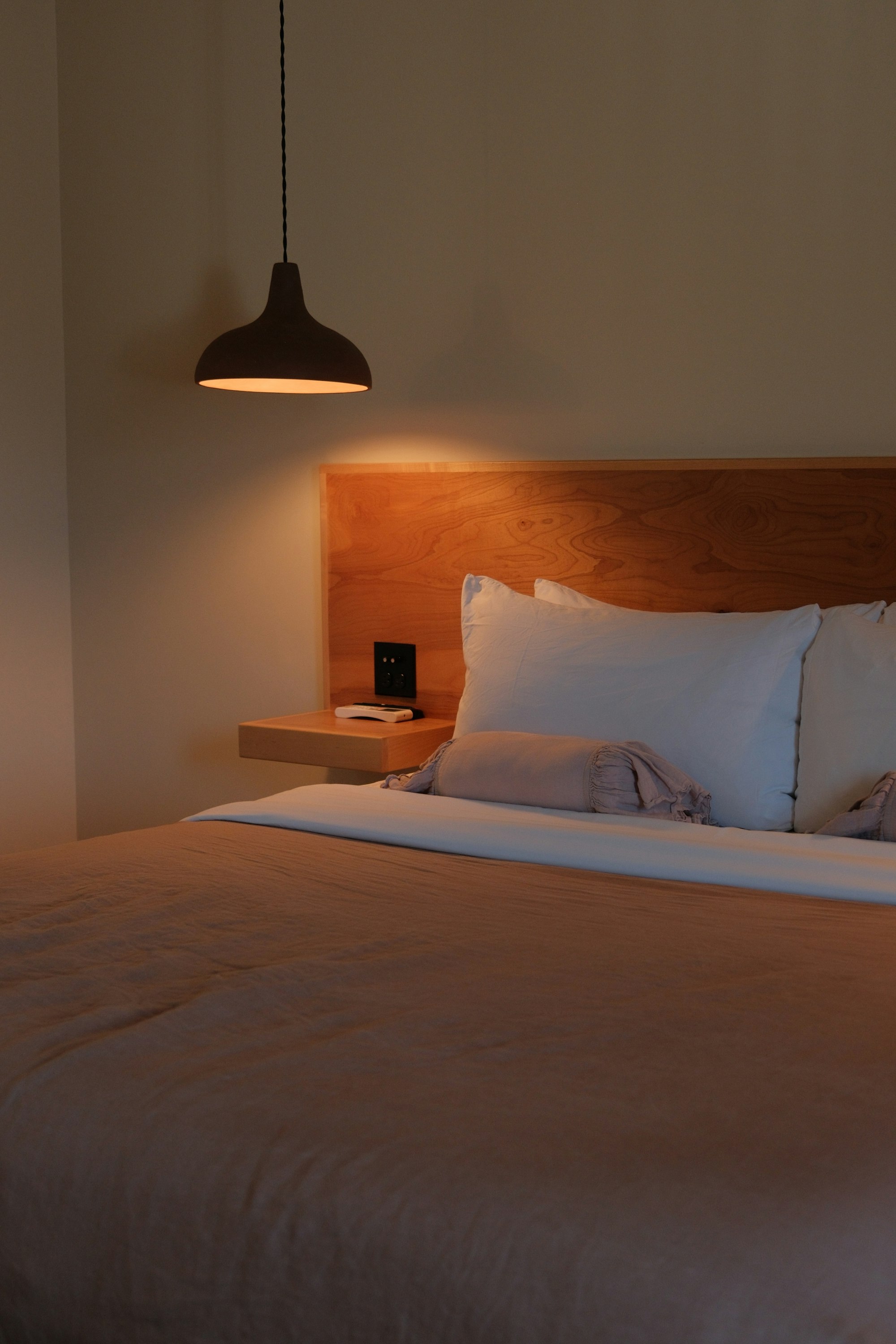
I tried to fix my productivity with everything except sleep.
Task managers.
Time blocks.
Morning routines.
Focus apps.
Second brains.
Fancy notebooks that did absolutely nothing except look serious on a desk.
The real fix was much more insulting.
I needed to go to bed.
Not a hack.
Not an identity shift.
Bed.
Tired People Love Fake Productivity
When you are tired, you do not usually do nothing.
You do low-quality everything.
You answer emails.
You move tasks around.
You reorganize notes.
You make a better system for work you are too tired to do.
It feels productive because your hands are moving.
But the hard thinking is missing.
That was my problem. I was busy for long days and strangely proud of it. But the work that needed judgment kept getting pushed to “tomorrow,” which was also tired, so tomorrow pushed it again.
This is how a tired life becomes a very organized delay machine.
The Routine That Changed It
Nothing dramatic.
That is the annoying part.
I chose:
- Same bedtime most nights.
- Same wake time most mornings.
- Laptop closed one hour before bed.
- Phone away from the bed.
- First task written down before shutdown.
That is it.
No 19-step recovery ritual.
No sleep gadget museum.
No pretending I would meditate like a mountain sage after 10 p.m.
Just a boring routine that told my brain the workday was done.
The Shutdown Matters More Than The Bedtime
The bedtime only worked because I stopped leaving loops open.
If I closed the laptop with ten unresolved thoughts floating around, I took them to bed. Then I called it insomnia, when really it was unfinished work knocking around in my skull.
So I added a shutdown note:
- What did I finish?
- What is still open?
- What is the first task tomorrow?
Three lines.
Then stop.
This pairs nicely with the bedtime routine that actually matters, because sleep is not only what happens after lights out. It starts when you stop feeding your brain new problems.
What Improved
Not everything.
Do not make sleep into magic.
But enough improved that I got the message.
I made fewer dumb decisions.
When I was tired, every decision felt heavier. I said yes too easily because arguing took energy. Rested me was still imperfect, but less sloppy.
I stopped needing dramatic motivation.
Turns out, some “motivation problems” are just exhaustion with better branding.
My first work block got cleaner.
I could start without negotiating with myself for 40 minutes.
I needed fewer productivity tricks.
A rested brain can use a simple list. A tired brain wants an operating system, a dashboard, and a motivational speech.
Rude lesson.
Useful lesson.
The One-Week Test
If your productivity feels broken, run this test for one week.
Not forever.
One week.
The move: Protect sleep before adding another productivity system.
Why: A tired brain turns every system into maintenance.
Do this now: Pick one bedtime and one wake time you can actually respect for seven days.
Then add only two rules:
- Laptop closed one hour before bed.
- First task written down before shutdown.
That is enough data.
Do not add ten rules. You are testing sleep, not founding a wellness monastery.
What If You Cannot Sleep Perfectly?
Then do not.
Perfect sleep is not the requirement.
Better sleep is.
Maybe your life has kids, care work, noisy neighbors, late shifts, anxiety, pain, or a schedule that laughs at neat advice.
Work with what is real.
Can you make the room darker?
Can you stop work 30 minutes earlier?
Can you keep wake time steadier?
Can you charge the phone away from your face?
Can you write tomorrow’s first task so your brain stops rehearsing it at midnight?
Pick the possible version.
Possible beats ideal.
Stop Trading Sleep For Low-Value Work
This is the part that stings.
Most late-night work is not noble.
Sometimes it is necessary. Deadlines happen. Life happens.
But a lot of it is just low-value work stealing from tomorrow.
One more email.
One more tweak.
One more scroll disguised as decompression.
One more hour that produces fifteen minutes of usable output and a worse morning.
That trade is bad.
If you are caught in hustle logic, read the dark side of hustle culture. Sleep is where hustle culture quietly sends the invoice.
Tools Are Secondary
I like useful tools.
Blackout curtains can help.
Eye masks can help.
White noise can help.
But do not buy your way around the basic routine.
If your phone is in bed, your laptop closes at midnight, and tomorrow is a mystery, a fancy device will not save the situation.
Use sleep tools that actually help after the basic routine exists.
Tools should support the system.
They are not the system.
The Point
My productivity did not improve because I became more disciplined.
It improved because I stopped forcing a tired brain to do work that required judgment.
Same bedtime.
Same wake time.
Laptop closed.
Phone away.
Tomorrow’s first task written down.
Simple.
Not easy every night.
But simple.
Before you rebuild your productivity system again, try sleeping like your work depends on it.
Because it probably does.