Technology
Why I Trust Boring Technology
Boring technology wins because it solves one real problem, keeps working, and stays out of your way.
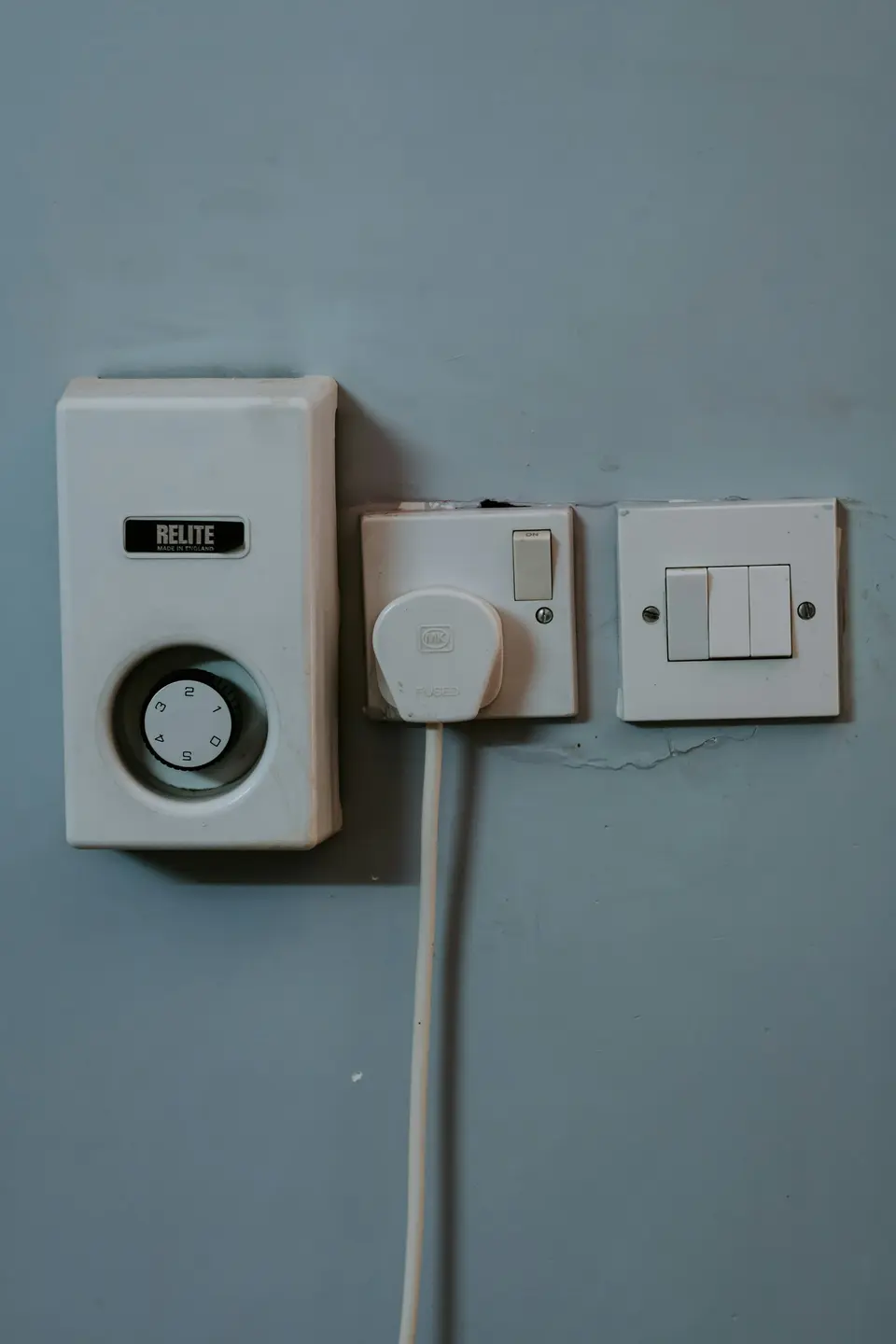
I trust boring technology.
Not old technology.
Not ugly technology.
Boring technology.
The kind that solves one real problem, keeps working, and does not need to send you a manifesto every six months.
Email is boring.
Spreadsheets are boring.
Plain text is boring.
Calendars are boring.
Databases that have survived actual abuse are boring.
Good.
Your tools are not supposed to entertain you. They are supposed to hold the ladder still while you do the work.
Boring means mature
The move: Before adopting a new tool, ask whether the old boring tool already solves the problem.
A mature tool has:
- documentation
- boring failure modes
- export options
- lots of users
- years of edge cases already found
- fewer dramatic product pivots
That last one matters.
New tools come with invisible bets.
Will the company survive?
Will the pricing change?
Will the feature you need stay?
Will the export work when you want to leave?
Will the community still care in two years?
Boring tools have already passed more of those tests.
That does not make them perfect. It makes them less surprising.
Less surprise is underrated.
Shiny tools sell relief
Most new tools do not just sell features.
They sell the feeling that this time your workflow will finally become clean, beautiful, and obedient.
Adorable.
The tool might help.
But often you are not buying capability. You are buying a fresh start costume.
Ask this before switching:
- What exact problem is the new tool solving?
- How often do I hit that problem?
- What will get harder after I switch?
- Can my current tool solve 80% of this with less drama?
If you cannot answer those, pause.
You may be chasing the trap of optimization in a nicer interface.
Boring tools become invisible
That is the gift.
A good boring tool disappears.
You open the spreadsheet.
You write the note.
You send the email.
You check the calendar.
No onboarding tour.
No new philosophy.
No “we reimagined the sidebar” announcement when you had work to do.
The tool fades into the work.
That is what you want.
Visible tools are expensive. They keep asking for attention.
Invisible tools give attention back.
Use the boring default until it hurts
The move: Start with the default tool, upgrade only when the pain is specific.
Notes app before knowledge base.
Spreadsheet before custom database.
Email before new collaboration platform.
Calendar before elaborate planning system.
Basic folder structure before document management circus.
When the boring tool starts failing in a clear, repeated way, then upgrade.
Not before.
Pain is data.
Novelty is not.
If your issue is system design, not tool choice, stop collecting tools and start wiring systems is the better rabbit hole.
Boring is not anti-innovation
New tools can be great.
Sometimes the new thing really does remove friction.
Sometimes it opens a workflow that was impossible before.
Sometimes boring is just inertia wearing a sensible jacket.
So do not become the person who rejects everything because it is new.
Be stricter than that.
Use this rule:
Adopt new technology when the pain is real, repeated, and costly.
Not when the demo is pretty.
Not when everyone online is excited.
Not when you are bored with your current setup.
Real pain.
Repeated pain.
Costly pain.
Then test the new tool with one project before moving your whole life into it.
The real advantage
Boring technology protects your attention.
That is the real win.
The less your tools change, the more you can change the work.
The less your system demands, the more energy you have for actual judgment.
The less you migrate, customize, tweak, compare, and rebuild, the more you finish.
This is why I like boring technology.
It has nothing to prove.
It just works.
And if you want the business version of the same idea, boring businesses make the same argument with money attached.
Choose tools that let you forget the tool.
That is not settling.
That is growing up.
Advertisement