Productivity
Why Your Best Process Is a Checklist (Not a System)
Your best process is a checklist, not a giant system. The boring list saves you when your brain is busy, rushed, or lying.
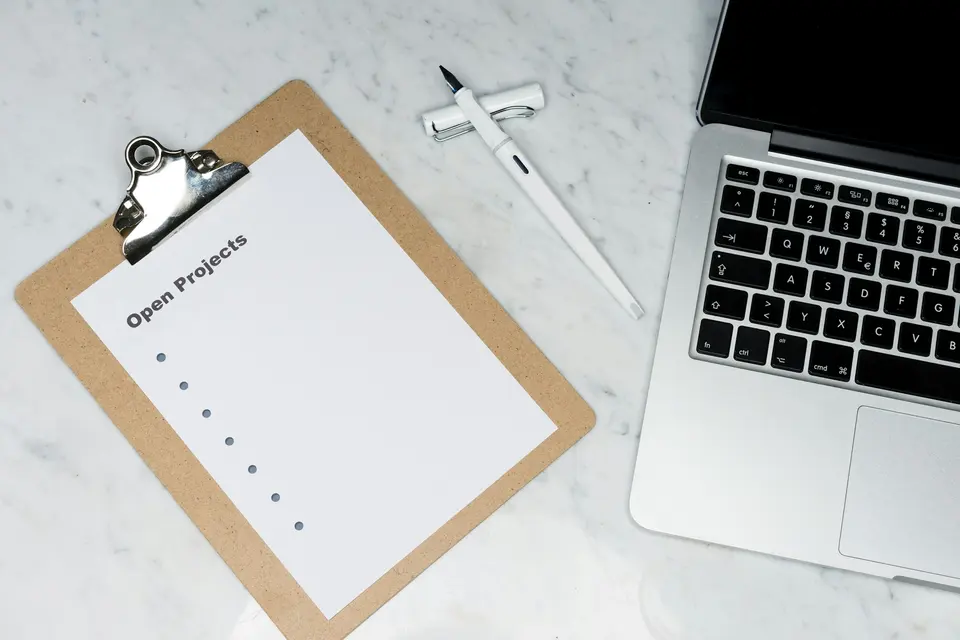
Your best process is probably a checklist.
Not a dashboard.
Not a 47-page operating system.
Not a Notion temple with linked databases and the faint smell of procrastination.
A checklist.
One page.
Visible.
Used.
That is the rude part.
Most freelancers do not need a bigger system. They need fewer places to forget the same boring steps.
Atul Gawande made this famous in The Checklist Manifesto. The serious version was surgery, where a WHO surgical safety checklist study found lower death and complication rates after checklist adoption across eight hospitals.
You are probably not doing surgery.
You are sending proposals, shipping files, onboarding clients, chasing invoices, and forgetting the same three things every busy week.
So yes.
Use the checklist.
Why a checklist beats a system
Complex systems feel serious.
Checklists feel childish.
That is why people avoid them.
Wrong instinct.
The move: Use a checklist for any repeatable process where one skipped step creates pain.
Good checklist jobs:
- Client onboarding
- Proposal review
- Project shipping
- Invoice follow-up
- Weekly review
- Tax prep handoff
- Publishing a blog post
Bad checklist jobs:
- “Be creative”
- “Build a business”
- “Find my purpose”
- “Become consistent”
Do not make a checklist for a cloud.
Make a checklist for a doorway.
The moment before work moves from one state to another.
Lead becomes client.
Draft becomes post.
Project becomes delivered.
Invoice becomes paid.
That is where steps get missed.
Systems create maintenance debt
Every fancy system sends you a bill.
Fields need updating.
Templates go stale.
Automations break quietly.
Tags multiply.
Dashboards become museums of decisions you no longer believe.
Then you open the system and spend twenty minutes managing the system instead of doing the work.
Congratulations.
You invented another client.
The move: If a process needs weekly maintenance just to stay understandable, shrink it.
Start with this question:
What are the five steps I cannot afford to forget?
Write those down.
That is your first version.
If you want the broader tool-cleanup philosophy, read stop collecting tools, start wiring systems. But do not turn that into permission to build a spaceship for three clients.
Checklists catch expert mistakes
Checklists are not for beginners.
That is the common insult.
Checklists are for tired experts.
Experts know the steps.
They also skip them under pressure.
That is the whole point.
You do not forget the handoff doc because you are incompetent.
You forget it because the client moved the deadline, the file export failed, your inbox is on fire, and your brain is trying to close ten loops at once.
The checklist catches the step your brain dropped.
Not glamorous.
Very profitable.
Build the five checklists
If you run a one-person business, start with five.
Not twenty.
Five.
1. New client checklist
Use this when someone becomes a real client.
- Contract sent
- Deposit invoice sent
- Deposit paid
- Kickoff booked
- Shared folder created
- Brief completed
- Scope confirmed in writing
This checklist prevents the fake-start problem, where everyone is excited and nobody has actually agreed on the work.
2. Proposal checklist
Use this before you send a pitch or proposal.
- Problem named plainly
- Outcome described
- Scope is specific
- Timeline is realistic
- Price is visible
- Next step is obvious
- One proof point included
If your proposal does not survive this list, fix it before sending.
Do not send fog and hope confidence fills the gaps.
3. Project shipping checklist
Use this before final delivery.
- Final review done
- File names cleaned
- Backup saved
- Handoff notes written
- Invoice ready
- Next step stated
- Testimonial ask drafted
- Project archived
This is where a lot of freelancers lose polish.
The work is done, so the brain leaves early.
Bad plan.
The ending is part of the experience.
4. Weekly business checklist
Use this every Friday.
- Money checked
- Pipeline checked
- Invoices checked
- Three next-week priorities picked
- One annoying loose end handled
This is the checklist version of the one spreadsheet that runs my business. You do not need a ritual candle. You need fifteen honest minutes.
5. Boundary checklist
Use this before saying yes.
- Do I want this work?
- Is the client clear?
- Is the price worth the calendar space?
- Is the deadline sane?
- What am I giving up by saying yes?
This list saves you from the most expensive word in freelancing:
“Sure.”
Keep it ugly
Pretty checklists are suspicious.
If you spend two hours designing the checklist, you are probably avoiding the process.
The move: Put it where the work happens.
- Printed beside the desk
- Pinned in the project folder
- Saved as a text file
- Reused as an email template
- Added to your project tool only if you already use that tool
Do not build a new tool habitat for the checklist.
The checklist should interrupt the work at the exact moment you need it.
That is the job.
When a system is better
Systems are not evil.
Some complexity is earned.
Use a real system when:
- You have many active clients
- A team needs to coordinate
- Status changes constantly
- Handoffs are frequent
- Reporting matters
- The process has branches and exceptions
But most solo operators skip the checklist stage and jump straight to the enterprise stage.
That is how you end up maintaining a CRM for four leads and calling it strategy.
If client projects are genuinely messy, tools for managing client projects without losing your mind is the deeper tooling guide.
For everything else, write the list first.
The verdict
Your best process is a checklist when the problem is forgetfulness under load.
Which is most freelance operations.
So do the unfancy thing.
Pick one repeated process.
Write the five to eight steps you keep skipping.
Put the list where your eyes will hit it.
Use it for 30 days.
If you still need a bigger system after that, build one.
But earn the complexity.
Do not decorate avoidance and call it operations.
Advertisement