Books
Books About Work: Checklists, Focus, and Breadth
Explore three books on repeatable work, focused attention, and broad experience. Turn one idea into a limited experiment with an honest review.
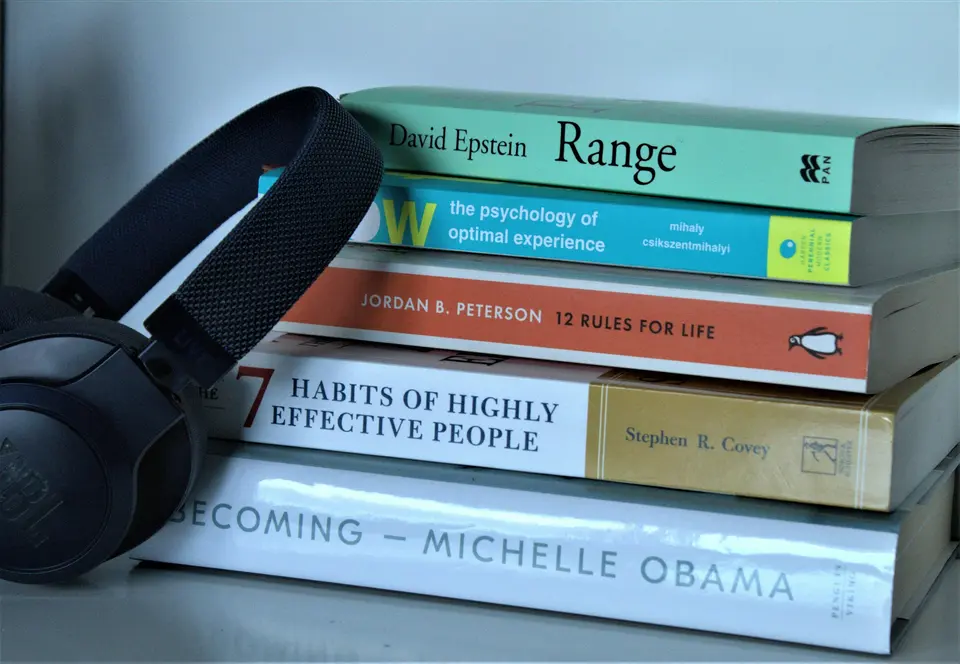
A work book is easier to evaluate when you bring a specific problem to it. Missed steps, interrupted concentration, and a narrow approach to a problem call for different questions.
Correction, September 22, 2026: The original invented reading experiences and work improvements. This shortlist uses publisher descriptions and separates proposed applications from evidence of actual results.
This is a source-based selection, not a firsthand account of reading the complete books. The proposed experiments are PickyFox suggestions. They have not been run for this article.
The Checklist Manifesto, by Atul Gawande
Gawande’s publisher introduces the use of checklists to support complex work. Consider it when a repeatable process has important steps that are easy to overlook.
A proposed experiment: Take one low-risk publishing task and record the essential checks before delivery. For example, confirm the intended audience, source links, image permission, and final destination.
After using the list, note omissions and unnecessary steps. Do not treat a checked box as evidence that a claim was verified unless someone actually examined the source. Keep specialist procedures for work that needs them.
Deep Work, by Cal Newport
The publisher describes an argument for sustained attention on demanding tasks and practices intended to support it.
A proposed experiment: Choose a suitable task and an agreed period when interruptions can be reduced. Decide in advance what must still reach you, including care, accessibility, customer, or operational needs.
There is no required 90-minute block in this guide. Select a workable duration and record what you completed, what interrupted you, and whether the arrangement was practical. Do not attribute a change in output to the book without considering other conditions.
Range, by David Epstein
Epstein’s publisher presents an argument for the value of breadth and varied experience in some learning and work contexts.
A proposed experiment: Bring one approach from another field to a current problem. If you are drafting instructions, for example, borrow the idea of checking an observable output from software testing.
Then assess whether it helps. Breadth is not automatically better than specialization, and it does not replace qualifications or detailed practice where those are required. An analogy can suggest a question without proving the answer.
Keep a record small enough to use
Write the problem, the change you plan, the expected sign of improvement, and the conditions that would make you stop. Review a representative attempt instead of waiting for a dramatic transformation.
A useful result might be a clearer checklist, a more realistic focus arrangement, or a discarded analogy. “This did not fit” is a legitimate finding. Do not manufacture a success story because the book is popular.
For the checklist itself, see why a process needs a checklist. For attention, use deep work strategies. For evidence about choices, read decision quality and outcomes before judging a method from one good or bad day.
Advertisement