Technology
Quick Takes: Apps I Deleted in January (And Why)
I uninstalled six apps this month. Not the usual suspects - the ones that looked useful but were actually just noise with a home screen icon.
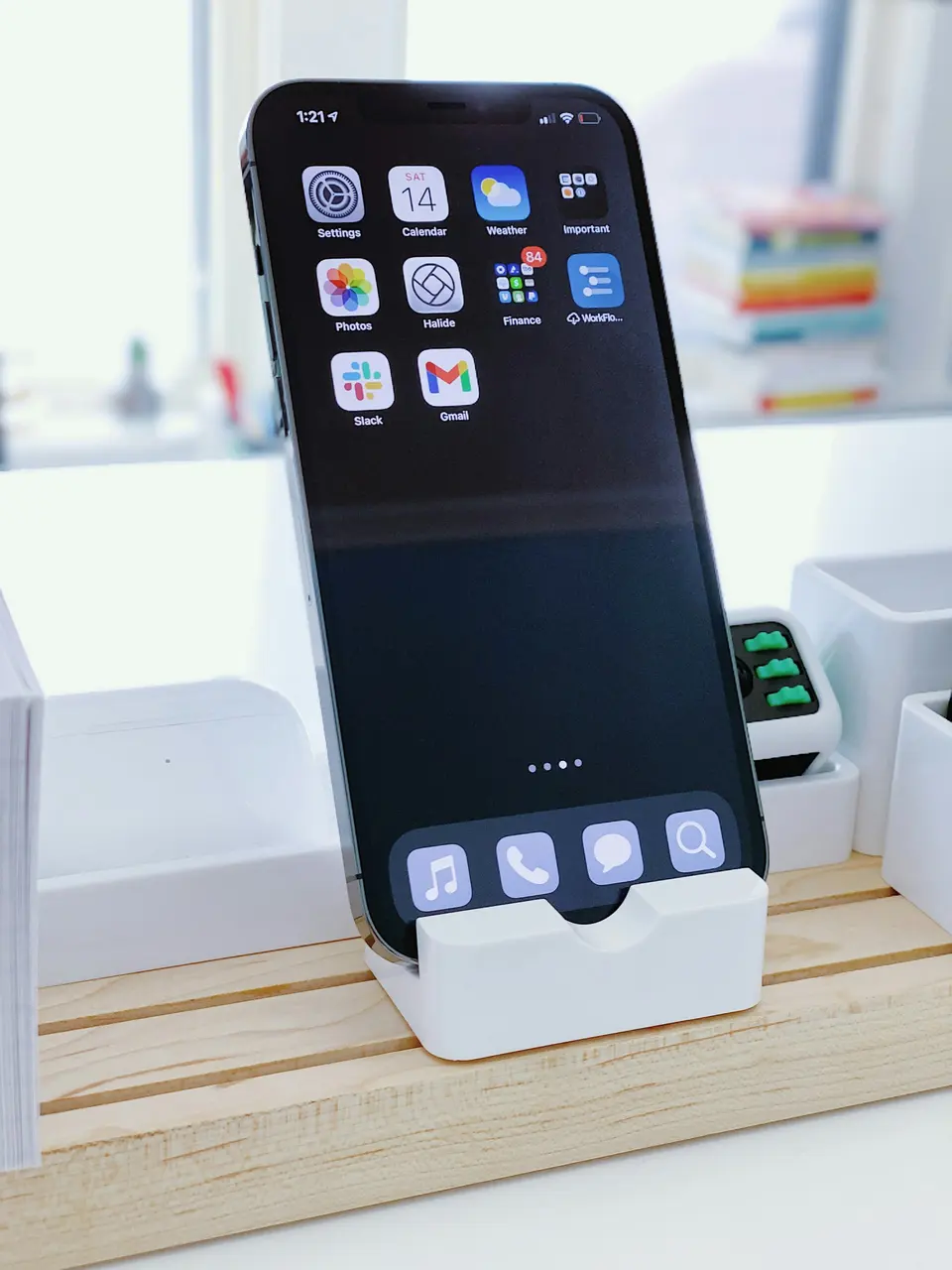
I deleted six apps in January.
Not because they were evil.
That would be easier.
I deleted them because they were almost useful, which is the more annoying category.
Almost useful tools are dangerous because they feel responsible.
They sit on your phone looking productive while quietly adding one more place to check, one more login, one more tiny decision.
That is not a tool.
That is clutter with a clean icon.
The Habit Tracker I Never Opened
The promise was nice.
Track habits. Build streaks. Become the kind of person who drinks water and goes outside.
Great in theory.
In use, it became homework for things I already knew.
Why I deleted it: The app made the habit feel heavier.
That is a bad sign.
If tracking the thing takes more energy than doing the thing, the tracker is stealing from the habit.
Use paper. Use a calendar. Use nothing. But do not build a shrine to brushing your teeth.
If habit tools make you weird, the habit tracking guide is the calmer path.
The Note App That Wanted To Become My Life
I love a clean note app.
That is the problem.
New note apps let you pretend you are improving your thinking when you are really moving old thoughts into a nicer drawer.
Why I deleted it: It did not solve a capture problem.
It created a migration project.
No thank you.
My notes already have a home. They may not be perfect, but they exist where I look for them.
A familiar ugly system beats a beautiful system you keep rebuilding.
The Weather App With Opinions
I wanted weather.
It wanted widgets, alerts, maps, lifestyle tips, and a relationship.
No.
Why I deleted it: The default weather app was enough.
This is a boring sentence. It is also the whole lesson.
Enough is a strong filter.
If a new app gives you 2% more usefulness and 30% more noise, delete it.
The Time Tracker That Made Time Feel Worse
I like knowing where my hours go.
I do not like feeling watched by my own dashboard.
The time tracker was accurate. That was not the issue.
Why I deleted it: It changed my behavior in the wrong way.
I started naming tasks for the tracker instead of doing the work.
Absurd.
The tool was supposed to help me see my day. Instead, it became another boss in a tiny office.
Deleted.
The Social App I Kept For “Research”
Ah yes.
Research.
The noblest excuse for scrolling past strangers having confident opinions about things they have not tried.
Why I deleted it: I was not researching. I was drifting.
When an app needs quotation marks around its reason for existing, be suspicious.
Delete it for a week.
If your work truly suffers, bring it back with rules.
If nothing happens, congratulations. You found a fake dependency.
The Productivity App That Duplicated Three Others
This one hurt because it looked good.
Nice interface. Smart little features. Sensible defaults.
Still deleted.
Why I deleted it: I already had the function covered.
That is the part people miss.
The question is not, “Is this app good?”
The question is, “Does this app earn a job that is not already filled?”
Most apps fail there.
Sometimes one tool can replace several. I wrote about that in apps that replace five other apps. But the reverse is also true: many apps are just extra doors into the same room.
The Deletion Test
Here is the test I used.
For every app, ask:
- Did I open it this week?
- Did it help me finish something?
- Does another tool already do this?
- Would I reinstall it today?
- Do I feel lighter if it is gone?
If the answers are ugly, delete it.
You can reinstall almost anything.
That is the secret.
Deletion is not a blood oath. It is a trial separation.
If you keep saving things “just in case,” read why I deleted most of my bookmarks. Same sickness. Different shelf.
The Point
The January purge was not minimalism cosplay.
It was maintenance.
Tools should reduce friction.
If they add places to check, decisions to make, dashboards to admire, or guilt to carry, they are not helping.
Delete first.
Miss later.
Reinstall only if the absence creates a real problem.
That is digital minimalism without the aesthetic costume.
Advertisement